
Ontario’s delivery ecosystem operates at the intersection of urban logistics, supply chain management, and consumer fulfillment expectations. As e-commerce expands, cities such as Toronto, Ottawa, Hamilton, and Mississauga have become major logistics hubs supporting same-day and last-mile delivery operations.
The logistics chain includes several interconnected components:
- Distribution centers (FedEx, Purolator, Canada Post, and regional facilities)
- Third-party logistics providers (3PLs)
- Retail warehouses
- Urban courier networks
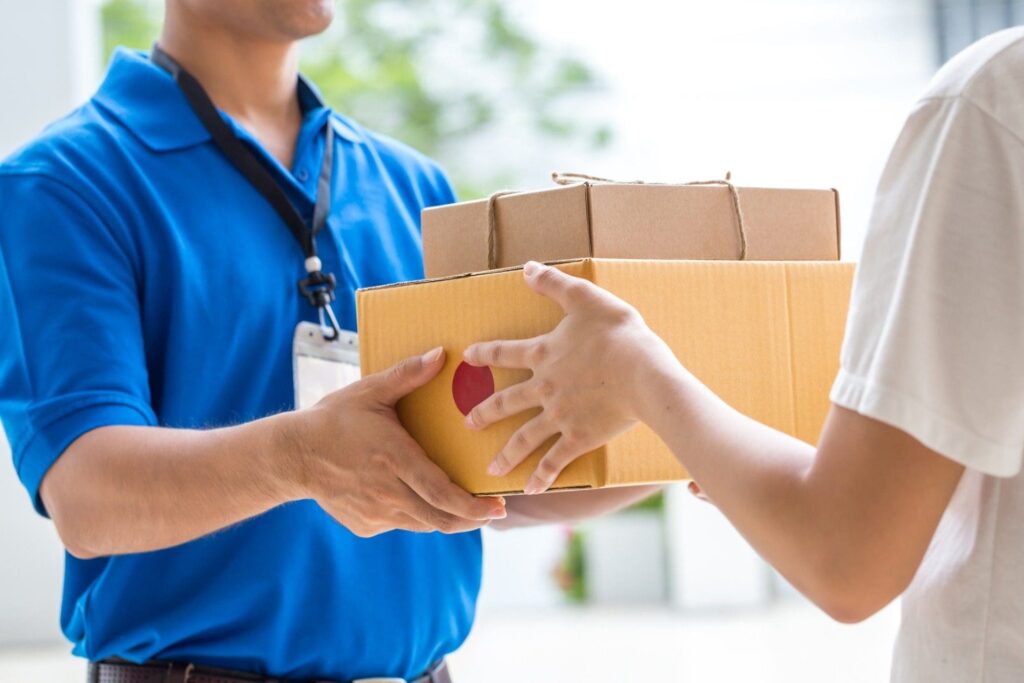
Each part of this system helps minimize delivery delays, optimize route density, and reduce transportation costs while maintaining customer satisfaction.
Core Entities and Semantic Contexts in Ontario Delivery Network
- The performance of Ontario’s delivery infrastructure depends on four major pillars that define Reliable Delivery Services in Ontario:
- Geographical Density : Population clusters in the Greater Toronto Area (GTA) influence delivery route planning and fleet allocation.
- Technological Integration : Real-time tracking systems, automated routing tools, and predictive logistics enhance operational efficiency.
- Sustainability and Carbon Management : Electric fleets, green delivery initiatives, and eco-friendly packaging support compliance and brand value.
- Consumer Experience : Speed, transparency, and communication remain critical for customer loyalty.
Key Factors Influencing Delivery Optimization
Route Efficiency and Urban Traffic Flow
Congestion in Ontario’s busiest cities significantly impacts last-mile delivery times. Logistics providers now use GPS-based mapping, predictive traffic modeling, and route optimization software to improve scheduling and minimize idle time.
Warehouse Proximity and Fulfillment Location
Micro-fulfillment centers near dense neighborhoods shorten delivery distances and improve flexibility. The hub-and-spoke model combining regional distribution hubs with localized storage has become the standard for efficiency and speed.
Vehicle and Fleet Management
Modern delivery systems rely on diverse fleets including electric vans, cargo bikes, and autonomous delivery units. These solutions balance sustainability with performance while lowering maintenance and fuel costs.
Data-Driven Customer Interaction
Personalized notifications, predictive delivery windows, and real-time updates have become key factors in consumer satisfaction. Integration between CRM systems and logistics platforms ensures seamless communication and higher trust.
The Role of E-commerce in Ontario Logistics Transformation
The rise of e-commerce platforms such as Amazon, Walmart Canada, and Shopify has reshaped delivery expectations. Consumers now demand faster, more reliable delivery cycles, forcing logistics networks to adapt through automation and improved visibility.
Essential technologies supporting this shift include:
- Order management systems (OMS)
- Inventory visibility platforms
- Demand forecasting and predictive analytics
Together, these systems strengthen supply chain transparency and enhance delivery predictability across the province.
Sustainability in the Delivery Industry
Sustainability has become a strategic focus across Ontario’s logistics ecosystem. Businesses are implementing:
- Electric vehicle fleets to lower emissions
- Eco-conscious packaging to reduce environmental impact
- Route optimization tools to minimize fuel consumption
Government programs such as Ontario’s Green Fleet Initiative and Toronto’s Urban Freight Strategy reinforce environmental accountability and innovation.
Future Trends and Opportunities
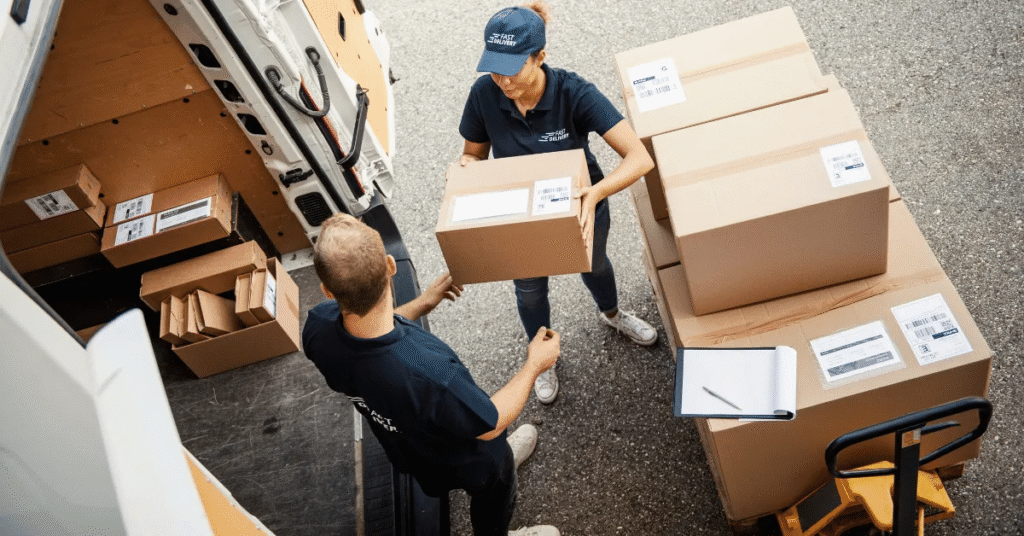
Ontario’s logistics sector is moving toward automation, AI-assisted forecasting, and decentralized fulfillment models. Key innovations include:
- Drone integration for rural or remote area deliveries
- Blockchain-based verification for end-to-end transparency
- Dynamic pricing systems to adjust costs based on demand and distance
Businesses adopting these emerging technologies early will gain significant advantages in delivery speed, operational efficiency, and customer trust.
Final Thoughts
Optimizing delivery logistics in Ontario requires a strategic alignment of geography, technology, sustainability, and consumer behavior. Companies that leverage data intelligence, localized fulfillment, and sustainable practices will continue to define the future of delivery in Ontario’s growing digital economy.